



Injection Mold Surface Finish: Tiêu chuẩn, Options, and Cost Impact
Injection mold surface finish controls the texture, gloss, and roughness transferred to plastic parts during molding. SPI finishes are commonly used for polished cosmetic surfaces, while VDI finishes work well for matte and textured parts. The right finish affects appearance, ejection, scratch visibility, mold wear, and tooling cost, so finish selection should balance cosmetic goals with manufacturability and production efficiency.
A mold surface finish does more than change how a part looks. It can affect release force, scratch resistance, polishing time, and even how long the mold lasts in production. Choosing the wrong finish often leads to higher tooling cost or avoidable cosmetic problems. This guide explains how SPI and VDI finishes work, when to use them, and how to match the finish to your product and production goals.
What is an injection mold surface finish?
Injection mold surface finish defines the texture and roughness transferred from the mold cavity to the plastic part. The selected finish affects product appearance, scratch visibility, ejection performance, mold wear, and tooling cost.
Every molded plastic part copies the condition of the mold cavity surface. A highly polished cavity creates a glossy appearance, while a textured cavity creates a matte or patterned finish. Surface finish also changes how the part interacts with the mold during ejection.
Smooth finishes often look premium, especially for consumer products. They also make scratches and fingerprints easier to see. Textured finishes usually hide wear better and improve grip, which is why they are common in automotive interiors and industrial housings.
Finish selection also affects manufacturing time. Mirror-polished surfaces require more machining, polishing, and inspection work. That increases tooling cost and maintenance requirements over the mold's lifecycle.
If you want a broader overview of mold construction and tooling systems, SunshinePro của Hướng dẫn khuôn ép nhựa hoàn chỉnh explains the larger mold engineering process in more detail.
Bạn cũng có thể xem lại Các công đoạn sản xuất khuôn mẫu that influence final surface quality.
What do SPI and VDI surface finish standards mean?
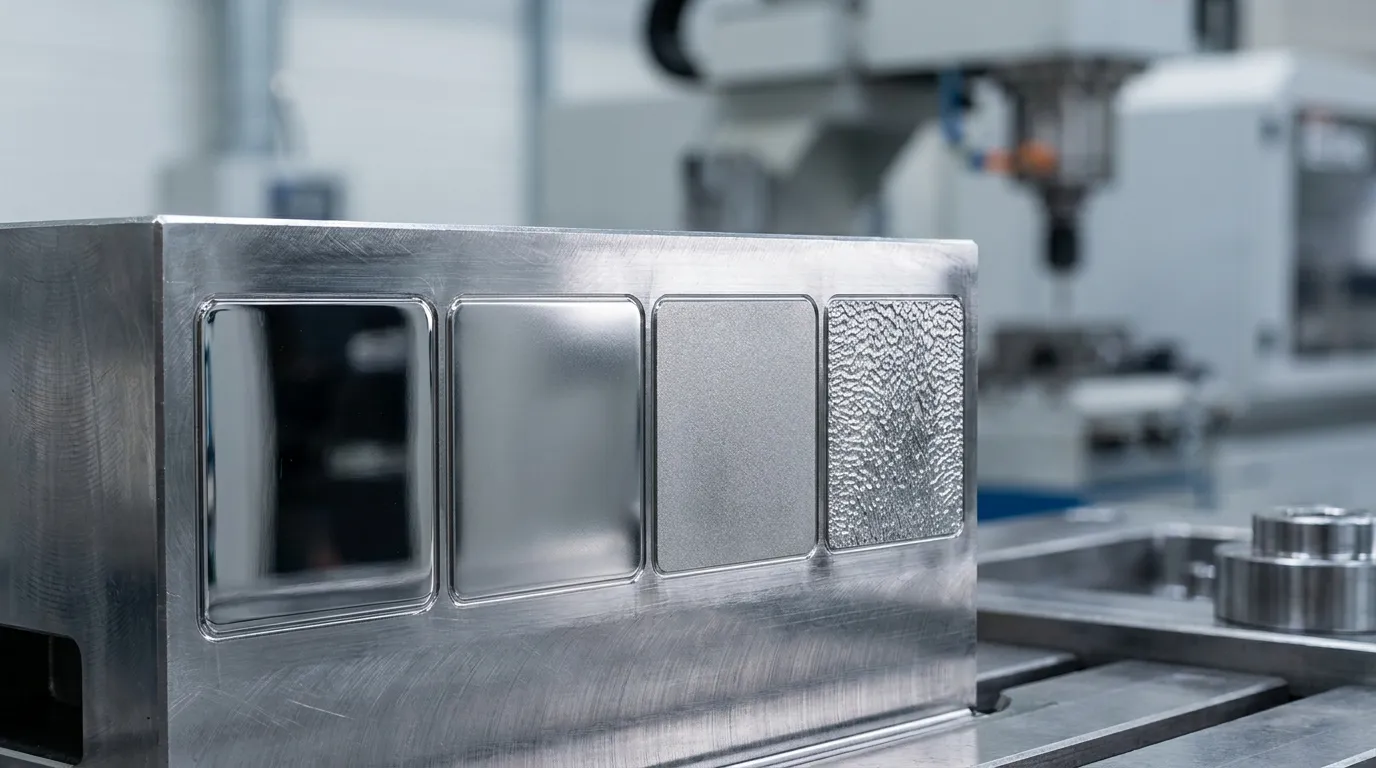
SPI standards classify polished mold finishes from high-gloss A grades to textured D grades, while VDI 3400 uses EDM texture scales for matte and textured surfaces. SPI is commonly used for polished cosmetic parts, while VDI is preferred for textured industrial finishes.
Most injection mold surface finish specifications use either SPI or VDI standards. SPI stands for Society of the Plastics Industry and focuses on polished finishes. VDI 3400 is commonly used for textured EDM surfaces.
Theo Hướng dẫn hoàn thiện SPI của Fictiv và Tham khảo bề mặt hoàn thiện của Thiết kế Sản phẩm Kỹ thuật, SPI grades range from highly polished mirror finishes to rough textured surfaces.
Giải thích về điểm hoàn thiện SPI
| Lớp SPI | Xuất hiện | Sử dụng điển hình | Chi phí tương đối |
|---|---|---|---|
| SPI A1-A3 | Gương bóng | Optical parts, premium cosmetics | Cao nhất |
| SPI B1-B3 | Bán bóng | Nhà ở tiêu dùng | Trung bình-cao |
| SPI C1-C3 | Mờ | Thành phần tiện ích | Trung bình |
| SPI D1-D3 | Kết cấu | Phụ tùng công nghiệp | Thấp hơn |
Mirror-polished SPI A finishes are not automatically the best option. They work well for optical clarity and premium cosmetics, but they also reveal fingerprints, scratches, and molding defects more easily.
Giải thích về các cấp kết cấu VDI
| Phạm vi VDI | Mức kết cấu | Ứng dụng tiêu biểu |
|---|---|---|
| VDI 12-18 | Mờ mịn | Sản phẩm tiêu dùng |
| VDI 21-27 | Kết cấu trung bình | Trang trí ô tô |
| VDI 30-45 | Kết cấu nặng | Nhà ở công nghiệp |
VDI textures are often created through EDM, or electrical discharge machining. These finishes work well when products need grip, reduced glare, or better scratch masking.
How does surface finish affect appearance, ma sát, và đẩy ra?
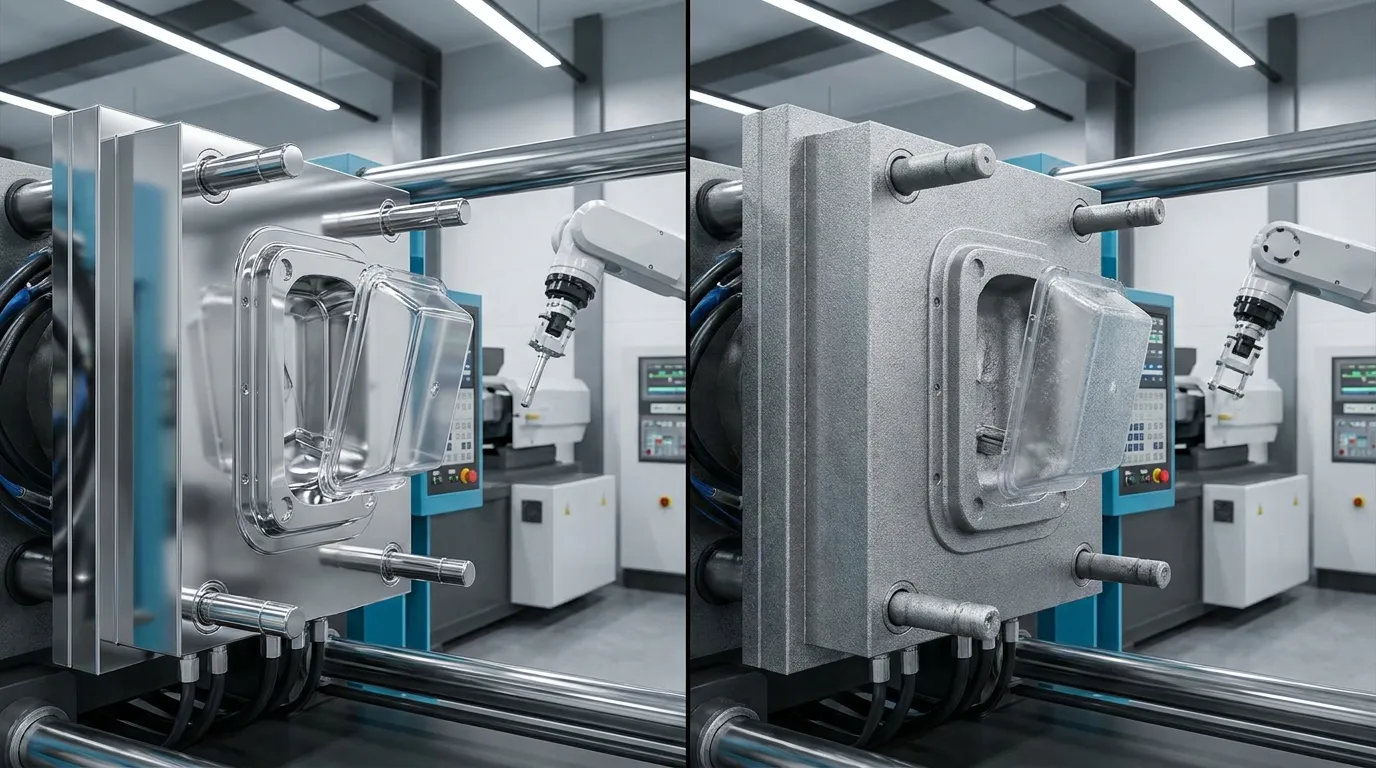
Surface finish affects more than appearance. High-gloss finishes can increase sticking and reveal scratches, while textured finishes may improve grip and hide defects but often require larger draft angles for smooth ejection.
Surface finish changes how the molded part behaves inside the cavity. Smooth polished surfaces create more contact area between the plastic and steel. In some materials, that increases friction during ejection.
Textured surfaces break up contact points and can help reduce visible drag marks. They also hide sink marks, fingerprints, and minor cosmetic defects better than polished surfaces. This is one reason automotive interiors often use textured finishes instead of mirror gloss.
Theo Tổng quan về bề mặt hoàn thiện của Nicolet Plastics, finish selection should match both appearance goals and molding performance requirements.
Tại sao bề mặt kết cấu cần nhiều góc nháp hơn
Textured molds usually require more draft because the plastic grips the cavity surface more aggressively during ejection. Deeper textures create more mechanical resistance, especially with softer materials.
| Loại hoàn thiện | Nhu cầu dự thảo điển hình | Rủi ro phóng |
|---|---|---|
| Độ bóng cao | Có thể có gió lùa thấp hơn | Rủi ro dính |
| Kết cấu nhẹ | Dự thảo vừa phải | Cân bằng |
| Kết cấu sâu | Yêu cầu bản nháp cao hơn | Có thể kéo dấu |
A nylon-filled industrial housing is a good example. One manufacturer selected an aggressive texture to improve grip, but the original draft angle was too low. Parts started sticking during ejection, which caused visible drag marks and slower cycle times. Increasing the draft solved the issue without changing the resin.
If you're evaluating textured finishes, SunshinePro của Hướng dẫn góc nháp can help you avoid release problems early in the design stage.
Which finish should you choose for different product types?
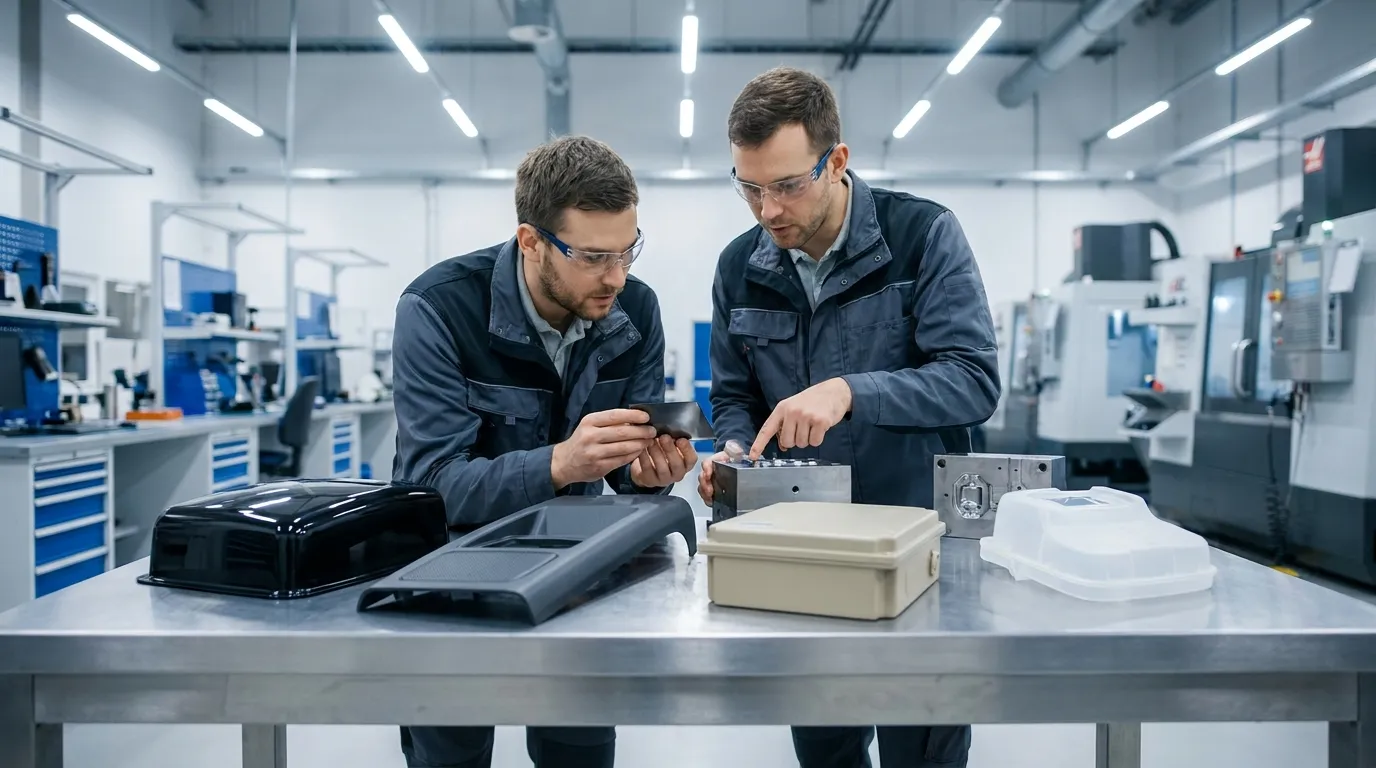
The best injection mold surface finish depends on the product’s appearance requirements, handling conditions, and production goals. High-gloss SPI A finishes suit cosmetic consumer products, while textured VDI finishes often work better for grip, scratch resistance, and industrial durability.
The right finish depends on how the product is used after molding. A cosmetic electronics housing needs different surface behavior than an industrial bracket or medical enclosure.
Textured finishes are often the safer choice for frequently handled products because they hide cosmetic wear better and reduce visible handling marks over time.
Kết thúc lựa chọn theo loại sản phẩm
| Loại sản phẩm | Kết thúc được đề xuất | Lý do chính |
|---|---|---|
| Điện tử tiêu dùng | SPI A2 hoặc B1 | Ngoại hình mỹ phẩm cao cấp |
| Trang trí nội thất ô tô | VDI 24-30 | Giảm độ chói và che giấu vết xước |
| Bao vây y tế | Kết thúc SPI B | Làm sạch dễ dàng hơn với độ bóng vừa phải |
| Nhà ở công nghiệp | Kết cấu VDI | Độ bền và độ bám |
| Các bộ phận kết cấu bên trong | Hoàn thiện SPI C | Chi phí dụng cụ thấp hơn |
A consumer electronics company provides a common example. Their first housing design used a mirror-polished SPI A finish because the product needed a premium look. After production launch, fingerprint complaints increased. The manufacturer switched to a fine VDI texture that reduced visible smudges without changing the mold geometry.
For broader manufacturability planning, SunshinePro của Quyết định của DFM guide explains how cosmetic choices affect tooling and production efficiency.
How much does surface finish increase mold cost?
Surface finish can significantly change mold cost because high-polish cavities require additional machining, hand polishing, Kiểm tra, and maintenance. Mirror finishes usually increase tooling time and should only be specified when appearance or optical clarity truly requires it.
High-gloss polishing adds labor at several stages of mold production. Toolmakers often need multiple polishing passes, finer abrasives, and extra inspection work to remove small surface defects.
Theo Hướng dẫn hoàn thiện bề mặt ép phun của Tập đoàn BEC, finish-related manufacturability decisions can strongly affect tooling cost and lead time.
Tại sao đánh bóng gương làm tăng thời gian dụng cụ
Mirror polishing is slow because every small machining mark must be removed manually. Highly polished cavities also require careful maintenance to preserve surface quality during long production runs.
| Loại hoàn thiện | Thời gian dụng cụ tương đối | Nhu cầu bảo trì |
|---|---|---|
| SPI A đánh bóng gương | Cao nhất | Cao |
| SPI B bán bóng | Trung bình | Trung bình |
| SPI C mờ | Thấp hơn | Thấp hơn |
| Kết cấu VDI | Trung bình | Trung bình |
Many manufacturers over-specify high-gloss finishes even when the part is rarely visible. In those cases, a lower-cost matte finish often improves manufacturability without affecting product value.
An industrial bracket project shows this clearly. The original design specified a polished finish for hidden internal components. After review, the tooling team switched to a matte SPI C finish. That reduced polishing labor and shortened mold delivery time without changing part performance.
If you are comparing tooling budgets, SunshinePro của Các yếu tố chi phí dụng cụ article explains how mold complexity, finish level, and cavity design influence pricing.
Which finishes work best with different plastic materials?
Different plastics respond differently to polished and textured surfaces. Resin behavior affects gloss consistency, scratch visibility, and release performance.
| Vật liệu | Các loại hoàn thiện tốt nhất | Mối quan tâm chung |
|---|---|---|
| ABS | SPI A hoặc B | Dấu vân tay trên bề mặt bóng |
| Polycarbonate (Máy tính) | SPI A | Yêu cầu về độ rõ nét quang học |
| Polypropylene (PP) | SPI B hoặc VDI | Độ sắc nét chi tiết bề mặt thấp hơn |
| Ni lông | SPI C hoặc kết cấu | Khả năng chống phóng |
| Nhựa chứa đầy thủy tinh | Mờ hoặc kết cấu | Mòn khuôn từ chất độn mài mòn |
Filled materials deserve extra attention. Glass-filled plastics can wear polished cavities faster because the reinforcement fibers are abrasive. In many industrial applications, matte or textured finishes hold up better over long production runs.
Medical equipment housings often use semi-gloss finishes instead of mirror polish. The moderate gloss level keeps surfaces easier to clean without adding unnecessary polishing cost.
Các lỗi hoàn thiện bề mặt phổ biến làm tăng khuyết tật và chi phí
Many mold finish problems start with over-specification. Choosing a high-gloss finish without considering resin behavior, draft angle, or production wear can increase tooling cost while creating avoidable cosmetic and ejection issues.
The most common mistake is selecting a finish based only on appearance. Cosmetic goals matter, but finish selection also affects mold release, bảo trì, and production stability.
Another frequent problem is choosing texture too late in the design process. Adding texture after draft angles are finalized can create sticking issues or visible drag marks during ejection.
Danh sách kiểm tra hoàn thiện bề mặt
- Phù hợp với mức độ hoàn thiện với khả năng hiển thị sản phẩm thực tế
- Tăng góc nháp cho các bề mặt có kết cấu
- Xem xét khả năng tương thích của nhựa trước khi phê duyệt mức độ đánh bóng
- Tránh đánh bóng gương trừ khi vẻ ngoài yêu cầu
- Xem xét bảo trì và hao mòn lâu dài
- Xác nhận vùng ưu tiên thẩm mỹ trên bản vẽ
A textured automotive trim panel is a practical example. The original design used a polished finish that reflected sunlight strongly inside the vehicle cabin. Switching to a medium VDI texture reduced glare and hid scratches from daily use.
Bạn có thể đánh giá SunshinePro's Quy trình đánh giá dụng cụ to understand how finish decisions should be evaluated before tooling approval.
How should you specify mold surface finish on engineering drawings?
Clear finish specifications reduce supplier confusion and help maintain cosmetic consistency across production runs. The drawing should identify both the finish standard and the exact surface areas where the finish applies.
Most manufacturers use SPI or VDI callouts directly on the engineering drawing. Cosmetic priority zones should also be labeled clearly so the mold maker knows where appearance matters most.
Danh sách kiểm tra thông số kỹ thuật hoàn thiện bề mặt
- Chỉ định cấp độ hoàn thiện SPI hoặc VDI trực tiếp trên bản vẽ
- Đánh dấu bề mặt mỹ phẩm rõ ràng
- Xác định các vùng kết cấu và đánh bóng riêng biệt
- Xác nhận các yêu cầu về bản nháp đối với bề mặt có kết cấu
- Xem xét khả năng tương thích của nhựa trước khi phê duyệt cuối cùng
- Điều chỉnh kỳ vọng hoàn thiện với ngân sách dụng cụ
A good specification process prevents expensive revisions later. Small changes in texture depth or gloss level can affect polishing time, maintenance effort, and production consistency.
For broader mold planning guidance, SunshinePro của Đánh giá đặc điểm kỹ thuật khuôn resource explains how design decisions affect tooling performance and manufacturability.
Thực hiện bước tiếp theo đúng đắn
The best injection mold surface finish balances appearance, production efficiency, and long-term durability. A polished surface may improve cosmetic appeal, but it can also increase tooling cost and reveal scratches more easily. Textured finishes often perform better in high-contact applications where grip and wear resistance matter more than gloss.
Before approving a finish, review the resin type, product visibility, draft angle, and tooling budget together. A practical finish decision early in the design stage usually prevents expensive mold revisions and production problems later.
Những câu hỏi thường gặp
What is SPI finish in injection molding?
SPI finish is a standardized mold surface classification system used for injection molded parts. The grades range from high-gloss polished finishes to textured matte finishes, helping manufacturers define cosmetic and functional surface requirements clearly.
What is the difference between SPI and VDI finishes?
SPI finishes mainly describe polished surface quality, while VDI finishes are commonly used for textured EDM surfaces. SPI is often selected for cosmetic gloss, while VDI works better for matte textures and industrial products.
Does textured finish require more draft angle?
Có, textured finishes usually require larger draft angles to help parts release cleanly from the mold. Deeper textures create more surface resistance, which increases the risk of drag marks during ejection.
Which injection molding finish hides scratches best?
Matte and textured finishes generally hide scratches, fingerprints, and small cosmetic defects better than mirror-polished surfaces. Highly polished parts tend to show handling wear more easily during daily use.
Do polished molds cost more?
Có, polished molds usually cost more because they require additional machining, hand polishing, Kiểm tra, and maintenance work. Mirror-polished cavities can also increase tooling lead time and long-term maintenance effort.
What finish is best for consumer electronics?
Consumer electronics often use SPI A or SPI B finishes when a premium cosmetic appearance matters most. Fine VDI textures may work better when fingerprint resistance and grip are higher priorities than high gloss.
Chia sẻ:



Được viết bởi Sunshine
Tại Sunshine, Chúng tôi là nhà sản xuất và cung cấp chuyên nghiệp các linh kiện khuôn chính xác, cung cấp một loạt sản phẩm đa dạng cho ứng dụng dập và khuôn ép. Trọng tâm chính của chúng tôi bao gồm khuôn đục lỗ, ghim và ống lót đẩy, và cọc hướng dẫn cùng các bushing. Với gia công CNC tiên tiến, Kiểm soát chất lượng nghiêm ngặt, và năng lực sản xuất mạnh mẽ, chúng tôi đảm bảo độ tin cậy, các bộ phận chính xác cao, cùng với các linh kiện tiêu chuẩn có sẵn trong kho để cung cấp nhanh chóng và hiệu quả toàn cầu.
TIN TỨC
NHẬN DỊCH VỤ
Với các bộ phận chất lượng đáp ứng mọi ngân sách và đội ngũ nhân viên thân thiện được đào tạo để giúp chuyến thăm của bạn trở nên hữu ích và thuận tiện.
