



Phụ tùng khuôn nhựa: Các thành phần tiêu chuẩn cho khuôn ép phun
Plastic mold parts include standardized components like ejector pins, tay áo, các cột chỉ dẫn, and bushings used in injection molds. Buyers should compare wear resistance, các mức dung sai, chất lượng vật liệu, and supplier lead times before purchasing. Standard components usually reduce maintenance delays and replacement costs, while custom parts work better for specialized mold designs. Keeping critical spare parts in stock also helps prevent downtime caused by shipping or customs delays.
Mold performance depends on more than cavity design. The small components inside the mold often determine maintenance frequency, production uptime, và chi phí thay thế. Buyers who choose the wrong ejector pins, ống lót dẫn hướng, or sleeves can face alignment issues, unexpected wear, and sourcing delays. This guide explains how to compare standard plastic mold parts before placing an order or approving a tooling build.
What are standard plastic mold parts?
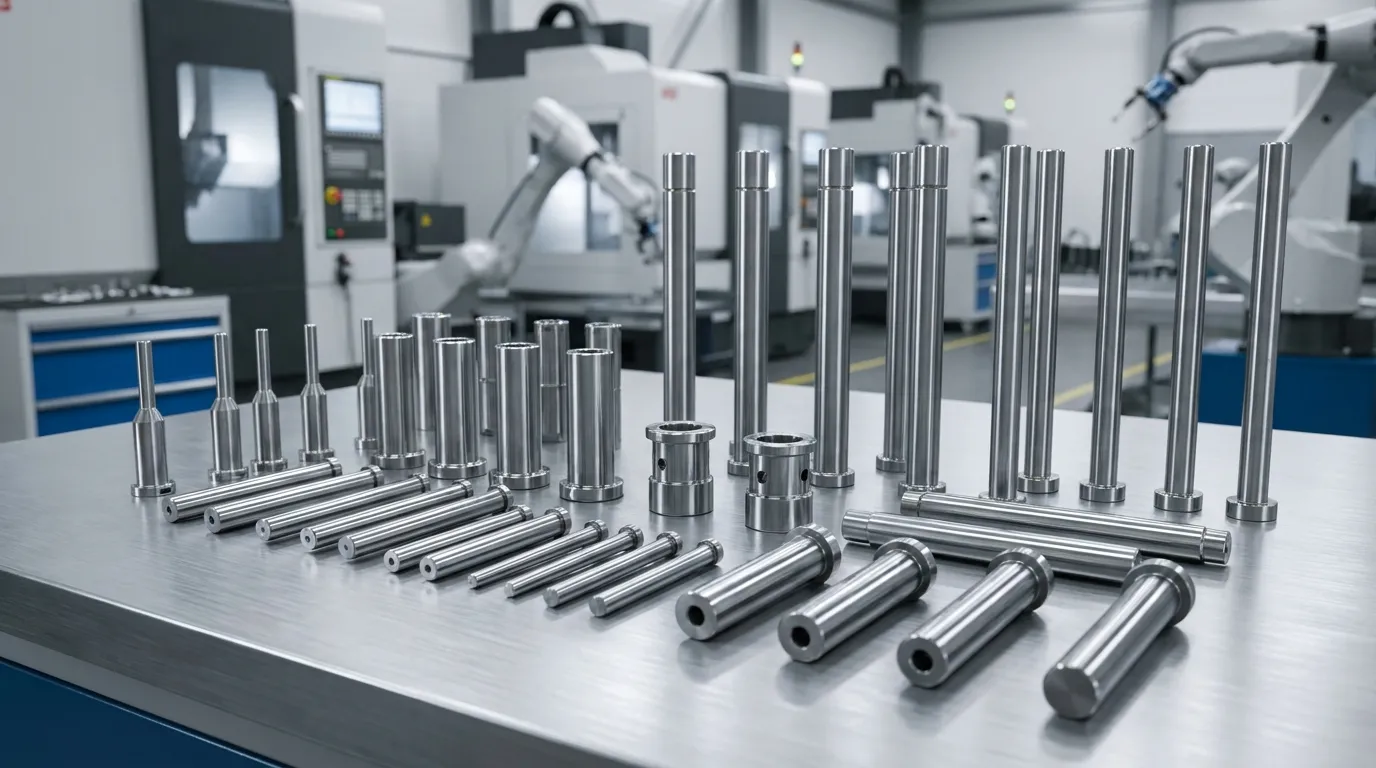
Standard plastic mold parts are pre-manufactured components such as ejector pins, tay áo, các cột chỉ dẫn, and bushings used across injection molds. Buyers choose them to simplify maintenance, reduce lead times, and improve replacement consistency.
Standard mold components are designed around common dimensions and tolerances. Instead of machining every part from scratch, mold builders use standardized pieces that can be replaced quickly during maintenance or production repairs.
These components support mold alignment, part ejection, wear control, and overall production stability. Many manufacturers prefer standardization because replacement inventory is easier to manage across multiple tools and production lines.
For a broader look at mold systems and terminology, xem cái này Hướng dẫn thành phần khuôn hoàn chỉnh.
| Phần khuôn phổ biến | Chức năng chính |
|---|---|
| Chốt đẩy | Đẩy các bộ phận đã hoàn thiện ra khỏi khuôn |
| Tay áo đẩy | Hỗ trợ đẩy xung quanh lõi |
| Bài hướng dẫn | Duy trì căn chỉnh khuôn |
| Ống lót dẫn hướng | Giảm mài mòn căn chỉnh |
| Trả lại ghim | Đặt lại hệ thống đầu phun |
| Chân lõi | Hình thành các tính năng bên trong |
Standardization also helps maintenance teams. If multiple molds use the same guide bushings or ejector sleeves, replacement becomes faster during shutdowns or emergency repairs.
Which mold components wear out most often?
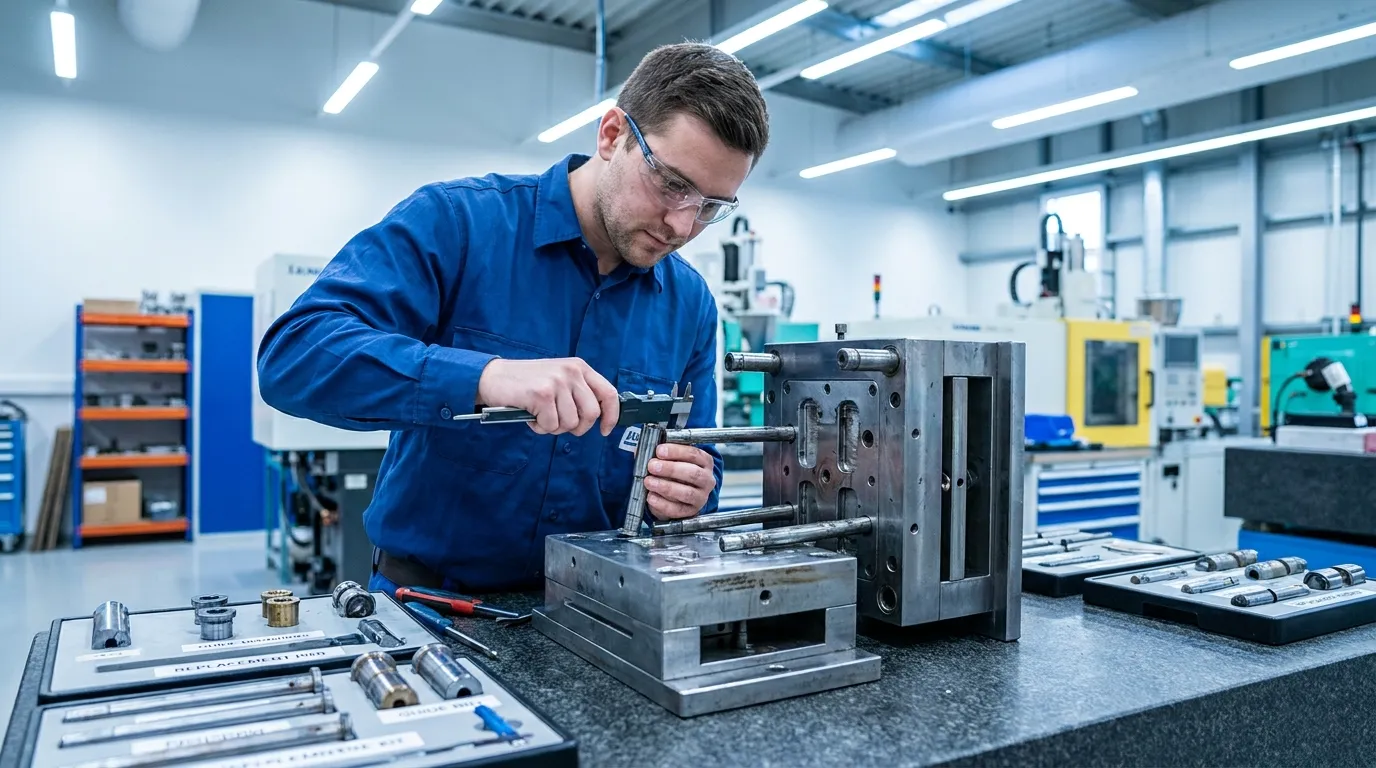
Chốt đẩy, tay áo, and guide bushings are among the most frequently replaced mold components because they operate under repeated friction, Áp lực, and alignment stress. Buyers should prioritize wear resistance and replacement availability when sourcing these parts.
High-wear components usually sit in areas with constant movement or friction. Ejector systems cycle every time the mold opens, while guide systems absorb alignment loads during clamping. Theo thời gian, this repeated movement creates wear that affects precision and part quality.
Abrasive resins can accelerate damage. A consumer electronics mold using glass-filled plastic may wear through low-grade ejector pins much faster than expected. In high-cycle production, buyers often switch to higher-hardness steel grades to extend replacement intervals.
Danh sách kiểm tra các thành phần khuôn mài mòn cao
- Các chân đẩy tiếp xúc với chu kỳ lặp đi lặp lại
- Ống bọc đầu phun hoạt động xung quanh các lõi chuyển động
- Ống lót dẫn hướng xử lý áp suất căn chỉnh khuôn
- Các chân lõi tiếp xúc với dòng nhựa mài mòn
- Các thành phần căn chỉnh bị ảnh hưởng bởi rung động hoặc sai lệch
Downtime costs also change replacement strategy. One production manager calculated that a single day of downtime cost more than keeping several sets of spare guide pins and sleeves in inventory. That made preventive stocking easier to justify.
Bạn có thể khám phá thêm Các thành phần mài mòn khuôn commonly replaced during maintenance cycles.
Should you choose standard or custom mold components?
Standard mold components usually reduce lead time and simplify maintenance, while custom parts work better for specialized geometries or unique production requirements. The best choice depends on production volume, tần số thay thế, and mold complexity.
Standard parts work well for most injection mold applications because they are easier to source and replace. Buyers can often reduce maintenance downtime by choosing widely available dimensions and configurations.
Custom components become necessary when molds require unusual geometry, non-standard movement, or specialized cooling and ejection layouts. Y tế, hàng không vũ trụ, and highly engineered automotive molds often need custom features that standard catalogs cannot support.
Standard mold parts are not always the best option. They reduce lead time and simplify maintenance, but custom components are often safer for unusual geometries or specialized production environments.
Bảng quyết định bộ phận khuôn tiêu chuẩn và tùy chỉnh
| Yếu tố | Thành phần tiêu chuẩn | Các thành phần tùy chỉnh |
|---|---|---|
| Thời gian dẫn | Thường ngắn hơn | Thường lâu hơn |
| Tốc độ thay thế | Nhanh hơn | Chậm hơn |
| Chi phí trả trước | Thấp hơn | Cao hơn |
| Bảo trì linh hoạt | Dễ dàng hơn | Chuyên biệt hơn |
| Khả năng tương thích | Rộng | Giới hạn |
| Tùy chỉnh chính xác | Trung bình | Cao |
An automotive mold project may use standard guide bushings to shorten replacement lead times during planned shutdowns. In contrast, a medical device mold might require custom ejector layouts because of strict geometry and surface requirements.
For more specialized tooling options, Xem lại những điều này Phụ kiện khuôn tùy chỉnh before finalizing your design.
How do ejector pins and sleeves affect mold performance?
Ejector pins and sleeves directly affect part release consistency, mòn mốc, and production uptime. Poor fit or incorrect hardness can increase friction, create flash issues, and shorten mold service life.
Ejector systems control how finished parts leave the cavity after cooling. If pin sizing or alignment is incorrect, the mold may produce sticking, uneven marks, or damaged surfaces. Small tolerance issues can become major production problems during high-volume runs.
Sleeves are commonly used around round cores or deep cylindrical features. They distribute ejection force more evenly than standard pins in certain applications. Buyers should compare hardness, Bề mặt hoàn thiện, and fit accuracy before selecting either option.
When should you upgrade to higher-hardness ejector pins?
Higher-hardness ejector pins make sense when molds run abrasive materials, high cycle counts, or elevated temperatures. Low-cost ejector pins can increase downtime costs later because softer materials wear faster under repeated friction.
A consumer electronics supplier using glass-filled resin upgraded to hardened ejector pins after repeated wear caused sticking and flash defects. The replacement cost increased slightly, but production interruptions dropped significantly.
Bảng lựa chọn nếu-thì
| Nếu tình trạng này tồn tại | Hãy xem xét giải pháp này |
|---|---|
| Mòn nhựa mài mòn | Chốt đẩy cứng |
| Lõi hình trụ sâu | Tay áo đẩy |
| Các vấn đề căn chỉnh thường gặp | Hệ thống dẫn hướng chính xác |
| Sản xuất chu kỳ cao | Thép công cụ chống mài mòn |
| Các vấn đề đánh dấu bề mặt | Cải thiện độ hoàn thiện ghim |
Người mua so sánh hệ thống phóng cũng nên xem xét các hệ thống có sẵn Hệ thống chốt đẩy before locking final specifications.
Which materials are commonly used in plastic mold parts?
Tool steel selection affects wear resistance, độ ổn định kích thước, corrosion performance, và sự sống của nấm mốc. Buyers should match component materials to production volume, loại nhựa, and operating temperature instead of choosing solely on price.
Most standard mold components use hardened tool steel because it handles repeated pressure and friction well. Stainless grades may be used when corrosion resistance matters, especially in molds exposed to moisture-sensitive or corrosive materials.
Heat treatment also changes performance. Proper hardening improves wear resistance and extends service life, but excessive hardness can increase brittleness in certain applications.
| Loại vật liệu | Lợi thế điển hình | Sử dụng phổ biến |
|---|---|---|
| Thép công cụ cứng | Chống mài mòn | Chốt đẩy, các vòng đệm |
| Thép không gỉ | Bảo vệ chống ăn mòn | Môi trường y tế và ẩm ướt |
| Thép hợp kim xử lý nhiệt | Sức mạnh và độ dẻo dai | Các thành phần tải trọng cao |
Material quality matters most in high-cycle environments. A low-cost guide bushing may work for limited production, but repeated cycling can quickly increase clearance and alignment wear.
What tolerances matter most when selecting mold parts?
Tolerances affect alignment, vừa vặn, các mẫu mòn, and replacement consistency. Even small dimensional differences can create flashing, dính, or premature component wear during production.
Guide systems require especially tight tolerance control because alignment errors increase friction across the mold. Ejector systems also depend on proper clearance to prevent sticking or uneven movement.
Vùng dung sai tới hạn
- Trụ dẫn hướng và ống lót phù hợp
- Khe hở chốt đẩy
- Tính nhất quán của bề mặt hoàn thiện
- Độ chính xác căn chỉnh giữa các nửa chuyển động
- Khả năng tương thích thay thế giữa các khuôn
Buyers sometimes focus only on material hardness and overlook fit accuracy. That creates avoidable maintenance problems later. A properly fitted standard component often performs better than a harder but poorly matched replacement part.
For additional tolerance and tooling guidance, Xem lại những điều này Tiêu chuẩn khuôn chính xác before finalizing specifications.
What sourcing and customs issues delay mold part delivery?
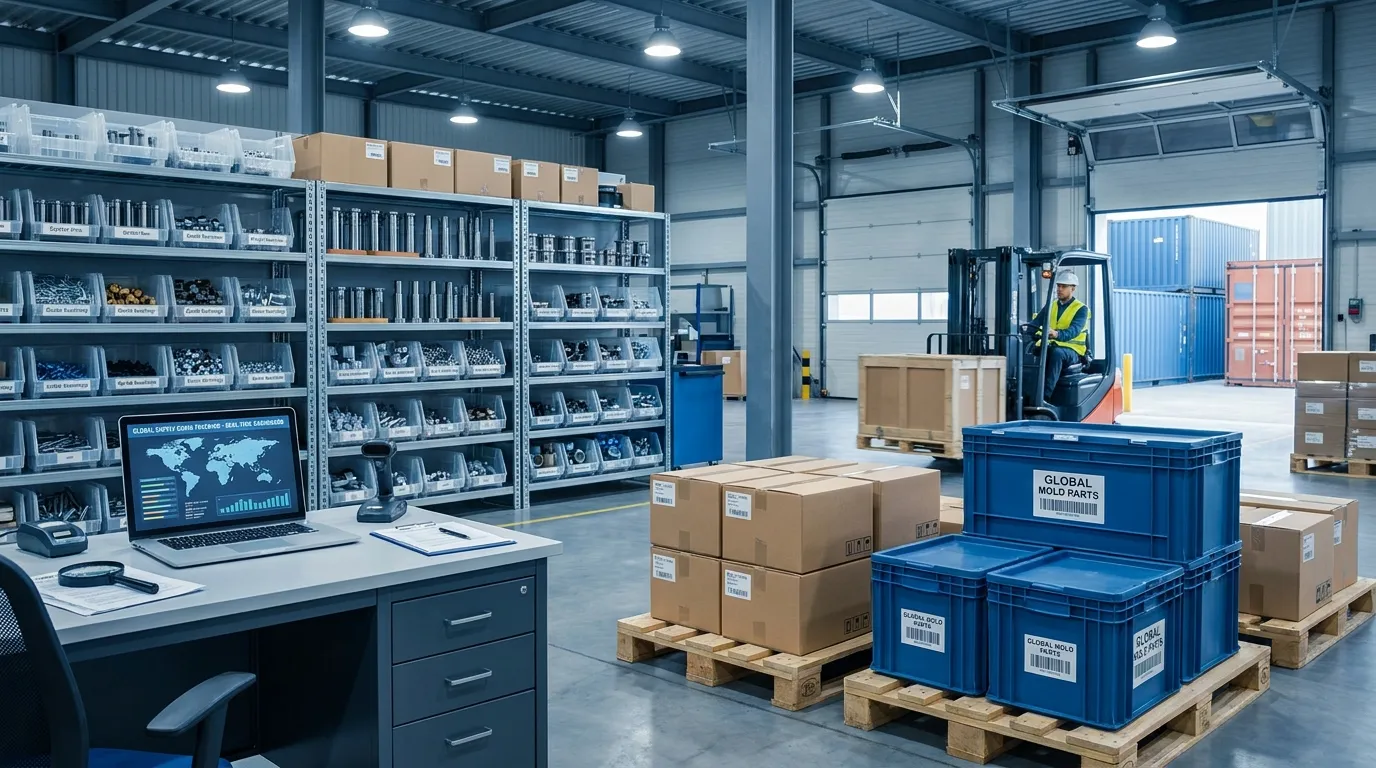
Mold part delivery delays often come from incomplete customs documentation, incorrect classifications, production bottlenecks, or low inventory availability. Buyers can reduce delays by standardizing parts, confirming documentation early, and maintaining critical spare stock.
Lead times for mold components involve more than manufacturing. Vận chuyển quốc tế, customs clearance, and inventory shortages can delay replacement parts long after production is complete.
Theo hướng dẫn tuân thủ hải quan từ Thiết bị đầu cuối NG, shipment holds increasingly come from documentation and compliance problems rather than port congestion alone.
Tuân thủ hải quan ảnh hưởng như thế nào đến nhập khẩu linh kiện khuôn mẫu
Incorrect HS classifications, incomplete paperwork, or missing compliance details can delay industrial component imports. Bangladesh customs updates for industrial imports also show how documentation requirements continue changing for international shipments through Hải quan Bangladesh.
Production scheduling creates another risk. Research from Ulitech chính xác explains how tooling timelines already include machining, sự xác thực, and approval stages before shipment even begins.
Danh sách kiểm tra tìm nguồn cung ứng thành phần khuôn
- Xác nhận thông số kỹ thuật của bộ phận trước khi đặt hàng
- Xác minh mã HS và thủ tục hải quan
- Kiểm tra tính khả dụng của hàng tồn kho của nhà cung cấp
- Giữ các linh kiện dự phòng có độ mài mòn cao trong kho
- Tránh thay thế tùy chỉnh một nguồn khi có thể
Overseas sourcing only works well when replacement planning is already in place. Buyers who rely on one custom component supplier without backup inventory create unnecessary production risk.
Bạn cũng có thể xem xét rộng hơn Tìm nguồn cung ứng thành phần khuôn considerations before planning large tooling orders.
Which mold parts should you keep in stock?
Buyers should keep high-wear and high-risk mold components in stock, especially ejector pins, tay áo, ống lót dẫn hướng, và các bộ phận căn chỉnh. Spare inventory reduces emergency downtime and protects production schedules during shipping or customs delays.
Không phải bộ phận khuôn nào cũng cần dự phòng tồn kho. Focus first on parts with high wear rates, long replacement lead times, or major production impact if failure occurs.
Medical production teams often keep spare ejector sleeves available because customs delays can interrupt regulated manufacturing schedules. Trong nhiều trường hợp, carrying a small inventory costs far less than unexpected downtime.
Danh sách kiểm tra hàng tồn kho dự phòng khuôn
| Thành phần | Tần suất mặc | Rủi ro thời gian ngừng hoạt động | Mức cổ phiếu đề xuất |
|---|---|---|---|
| Chốt đẩy | Cao | Cao | Nhiều bộ |
| Ống lót dẫn hướng | Trung bình | Cao | Bộ dự phòng |
| Tay áo đẩy | Cao | Trung bình | Bộ dự phòng |
| Chân lõi | Trung bình | Trung bình | Sao lưu hạn chế |
| Các bộ phận căn chỉnh | Trung bình | Cao | Bộ dự phòng |
Injection molding timelines already include tooling and validation stages, according to Đúc nhựa Evok. Delayed replacement parts can extend those timelines even further if critical components are unavailable.
Các mẹo lập kế hoạch bổ sung có sẵn trong hướng dẫn này để phụ tùng khuôn for production maintenance teams.
How should buyers evaluate mold component suppliers?
Price matters, but supplier consistency matters more. Buyers should compare tolerance control, khả năng tồn kho, hệ thống chất lượng, and delivery reliability before approving a supplier.
A sourcing team comparing two vendors may find one supplier offers lower pricing but no stocked inventory. If emergency replacement parts require extended manufacturing time, the cheaper option can become more expensive during downtime.
Danh sách kiểm tra đánh giá nhà cung cấp
- Tính khả dụng của chứng nhận vật liệu
- Độ sâu hàng tồn kho cho các thành phần tiêu chuẩn
- Khả năng kiểm soát dung sai
- Tính nhất quán trong sản xuất
- Thời gian thay thế
- Quy trình kiểm tra chất lượng
- Khả năng đáp ứng giao tiếp
Supplier capability also affects scaling. Industry sourcing guidance from Tập đoàn Rodon highlights the importance of production capacity and operational consistency when evaluating manufacturing partners.
If you're reviewing suppliers across broader tooling systems, cái này Hướng dẫn khuôn ép nhựa can help connect component decisions to overall mold production planning.
Làm gì tiếp theo
Choosing the right plastic mold parts comes down to reliability, kế hoạch thay thế, and production fit. Standard components often reduce maintenance delays and simplify inventory management, but custom solutions still matter for specialized tooling.
Start by identifying the highest-wear components in your molds. Then compare material quality, kiểm soát dung sai, and supplier inventory support before ordering. Buyers who standardize critical components and maintain spare inventory usually reduce downtime risk and simplify long-term maintenance planning.
Những câu hỏi thường gặp
What are mold components?
Mold components are the replaceable parts used inside injection molds, bao gồm các chốt đẩy, các vòng đệm, tay áo, các cột chỉ dẫn, and inserts. They support alignment, part ejection, khả năng chống mài mòn, and overall mold performance.
What are ejector pins used for?
Ejector pins push finished plastic parts out of the mold cavity after cooling. Proper pin selection helps prevent sticking, hư hại bề mặt, and uneven ejection during production.
What is the difference between standard and custom mold parts?
Standard mold parts use common dimensions and specifications, while custom parts are built for unique tooling requirements. Standard components usually reduce replacement delays and simplify maintenance planning.
What materials are used for mold components?
Mold components commonly use hardened tool steel, thép không gỉ, and heat-treated alloy materials. Material selection depends on wear resistance, phơi nhiễm ăn mòn, khối lượng sản xuất, and resin type.
Các thành phần khuôn có tuổi thọ bao lâu?
Mold component lifespan depends on production volume, chất lượng vật liệu, bảo trì, and molding conditions. High-wear parts like ejector pins and bushings usually require replacement more often than structural mold sections.
What causes injection mold delays?
Injection mold delays often come from tooling revisions, inventory shortages, customs clearance issues, and production bottlenecks. Highly customized components can increase replacement lead times and sourcing risk.
Chia sẻ:


Được viết bởi Sunshine
Tại Sunshine, Chúng tôi là nhà sản xuất và cung cấp chuyên nghiệp các linh kiện khuôn chính xác, cung cấp một loạt sản phẩm đa dạng cho ứng dụng dập và khuôn ép. Trọng tâm chính của chúng tôi bao gồm khuôn đục lỗ, ghim và ống lót đẩy, và cọc hướng dẫn cùng các bushing. Với gia công CNC tiên tiến, Kiểm soát chất lượng nghiêm ngặt, và năng lực sản xuất mạnh mẽ, chúng tôi đảm bảo độ tin cậy, các bộ phận chính xác cao, cùng với các linh kiện tiêu chuẩn có sẵn trong kho để cung cấp nhanh chóng và hiệu quả toàn cầu.
TIN TỨC
NHẬN DỊCH VỤ
Với các bộ phận chất lượng đáp ứng mọi ngân sách và đội ngũ nhân viên thân thiện được đào tạo để giúp chuyến thăm của bạn trở nên hữu ích và thuận tiện.
