



Ép phun thiết bị y tế: Danh sách kiểm tra nhà cung cấp trước khi làm dụng cụ
Medical device injection molding suppliers should be evaluated on validation support, khả năng chịu đựng, hệ thống truy xuất nguồn gốc, cleanroom controls, and tooling documentation before production begins. Buyers should verify inspection equipment, DFM review quality, lead-time planning, and regulatory readiness before approving tooling investment.
A tooling quote can look competitive on paper and still create major problems later. Medical programs depend on repeatable production, hỗ trợ xác thực, and clear documentation from the start. If a supplier struggles with traceability, engineering communication, or tolerance control before tooling begins, those problems usually become more expensive during validation and launch.
What should buyers verify before approving medical device tooling?
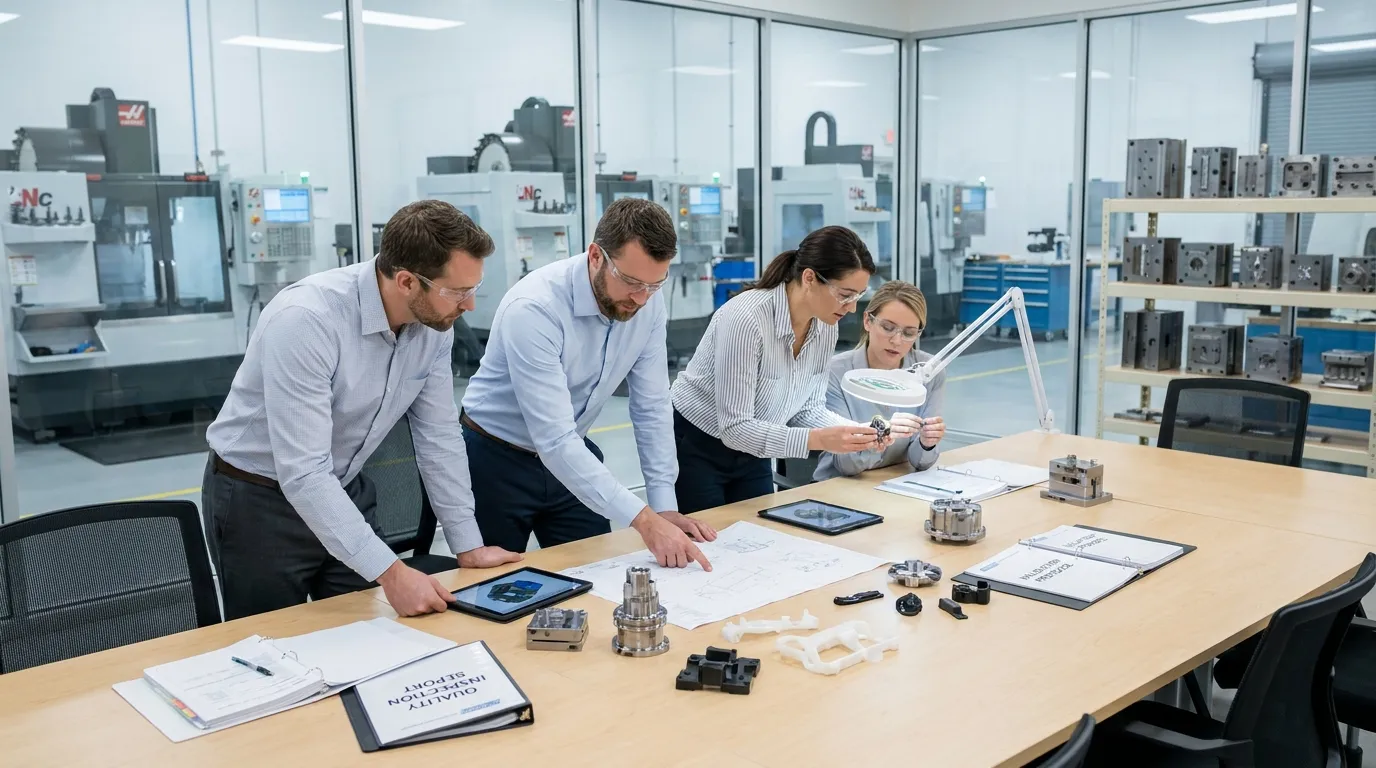
Medical device injection molding suppliers should be evaluated on validation support, Truy xuất nguồn gốc, kiểm soát dung sai, khả năng phòng sạch, and documentation readiness before tooling approval. A low tooling quote does not reduce regulatory or launch risk.
Before approving tooling, buyers should confirm that the supplier understands regulated manufacturing requirements. General injection molders may produce acceptable consumer parts, but medical projects need stronger process control, documented validation support, and repeatable inspection systems.
A supplier should also explain how engineering reviews, bảo dưỡng nấm mốc, xác thực quy trình, and production records will be managed after tooling starts. Vague answers during quoting often signal bigger communication problems later.
| Khu vực nhà cung cấp | Những gì cần xác minh | Tại sao nó lại quan trọng |
|---|---|---|
| Hệ thống chất lượng | Quy trình ISO 13485 | Hỗ trợ sản xuất theo quy định |
| Validation support | Tài liệu IQ / OQ / PQ | Trợ giúp trong quá trình kiểm tra và phê duyệt |
| Khả năng kiểm tra | Hệ thống đo CMM và đường viền | Xác nhận dung sai lặp lại |
| Truy xuất nguồn gốc | Theo dõi lô nhựa và sản xuất | Giảm rủi ro tuân thủ |
| Hỗ trợ phòng sạch | Quy trình sản xuất được kiểm soát | Giúp ngăn ngừa ô nhiễm |
| Quản lý dụng cụ | Kế hoạch bảo trì và linh kiện dự phòng | Bảo vệ độ lặp lại lâu dài |
| Quy trình kỹ thuật | Đánh giá DFM trước khi cắt thép | Giảm sửa đổi công cụ |
Some buyers focus too heavily on tooling price. That approach can backfire. The lowest tooling quote often becomes the most expensive option once revision cycles, Độ trễ xác thực, and launch disruptions are added to the total project cost.
If your team still needs broader background on mold construction and tooling fundamentals, đánh giá điều này Hướng dẫn thiết kế khuôn ép before supplier selection moves forward.
Which certifications and quality systems actually matter?
ISO 13485 is the baseline certification most buyers expect for regulated medical molding projects, but buyers should also confirm traceability procedures, document control, and validation support instead of relying on certification logos alone.
Most medical buyers start with ISO 13485 because it supports quality management and traceability expectations for regulated manufacturing. Thuộc tính FDA also expects manufacturers to maintain documented quality controls throughout production and validation activities.
Certification alone does not prove that a supplier can support a regulated launch. Buyers should ask how process changes are documented, how inspection records are stored, and how validation support is managed during production scaling.
Tại sao chỉ ISO 13485 là không đủ
Some suppliers advertise ISO 13485 certification but still struggle with practical execution. A supplier may pass audits while lacking strong engineering communication, giám sát quy trình, or tooling maintenance discipline.
That gap becomes obvious during validation or engineering changes. Ví dụ, a supplier may approve tooling without detailed DFM feedback, then request expensive mold revisions after initial sampling. Those delays can push qualification timelines back by weeks.
| Khu vực chất lượng | Những gì người mua nên kiểm tra |
|---|---|
| Tiêu chuẩn ISO 13485 | Tình trạng chứng nhận hiện tại |
| Kiểm soát tài liệu | Quy trình theo dõi sửa đổi |
| Truy xuất nguồn gốc | Theo dõi nhựa và lô |
| Validation support | Kinh nghiệm IQ / OQ / PQ |
| Kiểm soát thay đổi | Quy trình phê duyệt kỹ thuật |
| Quy trình CAPA | Quy trình hành động khắc phục |
A strong supplier should explain these systems clearly during the quoting stage. If answers stay vague or overly sales-focused, buyers should slow the approval process.
Can the supplier consistently hold medical-grade tolerances?
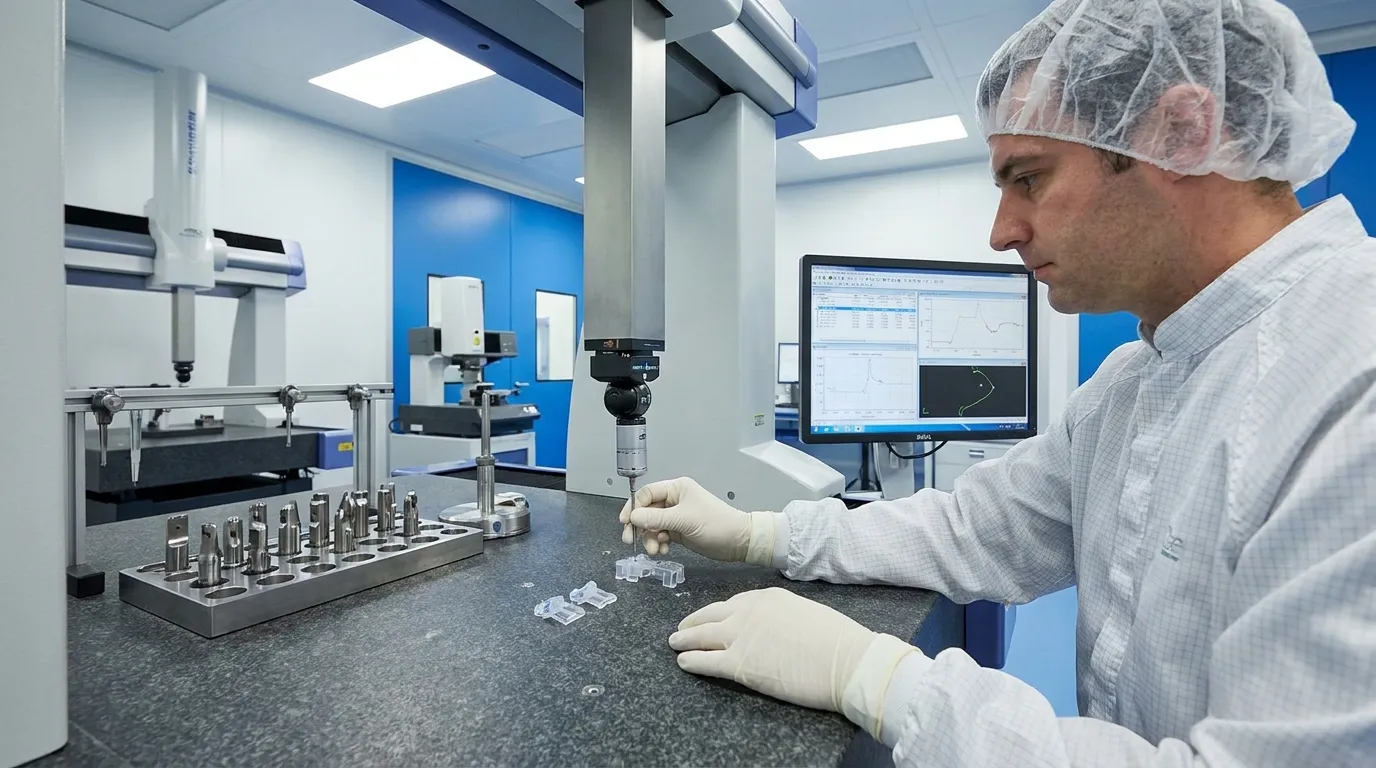
Medical molding suppliers should prove tolerance capability with measurement systems, documented inspection procedures, and repeatability data instead of verbal claims. Buyers should request sample reports before tooling approval.
Medical components often include mating surfaces, fluid pathways, or assembly features that depend on consistent dimensions across every production run. A supplier should explain how those dimensions are measured, monitored, and maintained over time.
Buyers should request sample inspection reports before tooling starts. Those reports help confirm whether the supplier already supports precision production work instead of simply promising it during sales discussions.
What inspection equipment should suppliers have?
Qualified suppliers commonly use coordinate measuring machines (CMM), contour measuring systems, optical inspection equipment, and documented process monitoring tools. Inspection capability matters because medical tooling wear can slowly shift dimensions over long production cycles.
Các nhà cung cấp sử dụng vật liệu dụng cụ chất lượng cao và Các bộ phận khuôn chống mài mòn often maintain better dimensional consistency during repeat production.
A good example is a multi-cavity medical housing where one cavity slowly drifts out of tolerance. Without proper cavity monitoring, suppliers may not detect the issue until assembly failures appear downstream. Buyers should ask how cavity balance and dimensional drift are monitored during production.
How important is DFM review before steel cutting?
A detailed DFM review before steel cutting reduces tooling revisions, khuyết tật kích thước, and launch delays. Medical buyers should expect documented recommendations before final mold approval.
DFM, or Design for Manufacturability, identifies molding risks before tooling enters production. That review should happen before steel cutting starts, not after initial samples fail dimensional inspection.
A proper DFM review covers wall thickness, gate location, bố trí làm mát, góc draft, shrinkage expectations, and part ejection strategy. Suppliers should provide documented recommendations instead of general verbal comments.
- Đánh giá hình học một phần
- Phân tích bản nháp và đường cắt
- Đề xuất vị trí cổng
- Đánh giá làm mát và co ngót
- Phê duyệt tính khả thi của công cụ
- Ký kết kỹ thuật cuối cùng trước khi gia công
A diagnostic device housing is a good example. If the gate location creates uneven shrinkage near a sealing surface, the supplier may need additional mold revisions after T1 sampling. That change can affect validation schedules and increase tooling costs.
Some buyers skip detailed DFM reviews to shorten launch timelines. That shortcut rarely saves time. Engineering problems found after tooling begins are slower and more expensive to correct.
What validation and documentation support should suppliers provide?
Medical molding suppliers should support IQ/OQ/PQ validation, maintain traceable production records, and document process changes throughout the tooling lifecycle. Missing documentation creates regulatory and audit risk.
Validation support is one of the clearest differences between standard injection molding suppliers and regulated medical manufacturers. Buyers should confirm that suppliers already support IQ, OQ, and PQ workflows before tooling approval.
Documentation should include material traceability, hồ sơ kiểm tra, cài đặt quy trình, các sửa đổi kỹ thuật, and mold maintenance history. Theo FDA, manufacturers are expected to maintain documented quality procedures and production controls throughout regulated manufacturing operations.
What documents should buyers request before tooling starts?
- Báo cáo DFM
- Tài liệu lập kế hoạch xác nhận
- Quy trình kiểm tra
- Quy trình truy xuất nguồn gốc vật liệu
- Kỳ vọng bảo trì khuôn
- Quy trình sửa đổi kỹ thuật
- Lịch lấy mẫu và phê duyệt
Suppliers providing detailed documentation early usually manage production transitions more smoothly later. That matters when launch schedules depend on coordinated validation timing.
Ví dụ, one disposable medical component project experienced delays because resin traceability records were incomplete during validation review. The tooling itself performed correctly, but missing documentation still disrupted the approval timeline.
Các nhóm so sánh các nhà cung cấp cũng có thể muốn xem xét rộng hơn Hỗ trợ đúc y tế capabilities before final sourcing decisions are made.
How should buyers evaluate cleanroom and contamination control?
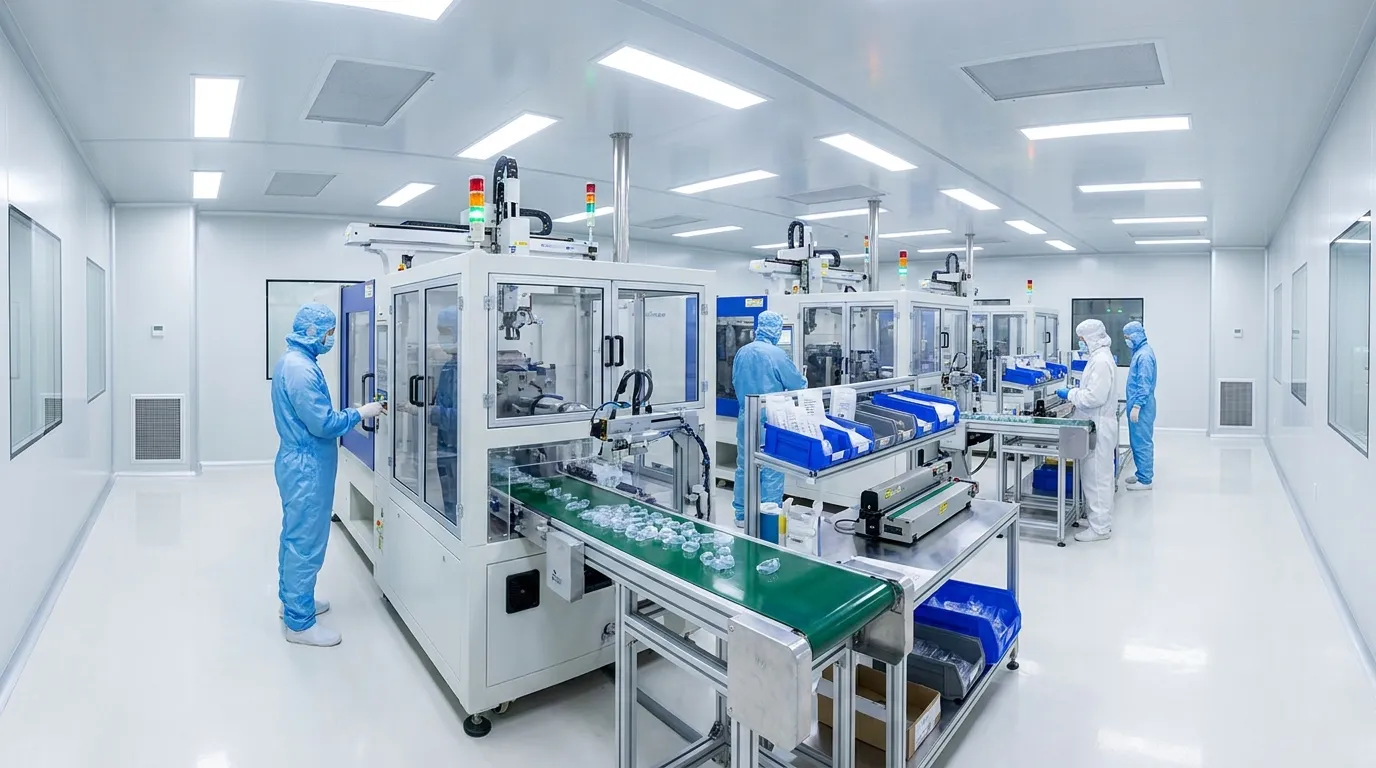
Cleanroom capability should be evaluated as an operational system, not just a marketing label. Buyers should ask how materials, operators, Đóng gói, and production flow are controlled inside the manufacturing environment.
Some suppliers advertise cleanroom molding but outsource secondary handling or packaging steps outside controlled conditions. That setup may create contamination risk for sensitive medical products.
| Diện tích | Những gì người mua nên xác minh |
|---|---|
| Lớp phòng sạch | Cấp độ phân loại ISO |
| Xử lý vật liệu | Bảo quản nhựa có kiểm soát |
| Thủ tục nhân sự | Áo choàng và kiểm soát ra vào |
| Quy trình đóng gói | Xử lý sau đúc được bảo vệ |
| Quy trình làm sạch | Kiểm soát ô nhiễm theo lịch trình |
Surface quality can also affect contamination management and cleaning consistency. Buyers reviewing cosmetic or functional requirements may benefit from understanding Yêu cầu hoàn thiện bề mặt during tooling evaluation.
A cleanroom is not always necessary for every project. Stable, lower-risk components may run successfully in controlled manufacturing environments without full cleanroom production. Buyers should match production controls to the actual regulatory and product requirements.
What lead-time and customs risks should buyers plan for?
Medical device tooling timelines depend on design stability, yêu cầu xác thực, độ phức tạp của dụng cụ, and international logistics. Customs delays and late engineering changes can disrupt regulated launch schedules.
Medical tooling projects often move slower than standard commercial programs because validation, inspection approval, and engineering review cycles add additional steps to the launch schedule.
Theo Tổng quan về thời gian thực hiện ép phun của Evok Poly, tooling revisions and engineering changes are common causes of delayed production schedules. Offshore programs may also face shipping inspections or customs delays during mold transfer and sampling activities.
Tại sao thay đổi thiết kế muộn tạo ra sự chậm trễ lớn
Late-stage design revisions create more disruption in regulated projects because validation documents, inspection plans, and approval schedules may also need updates.
| Giai đoạn dự án | Thiết kế ổn định | Thay đổi kỹ thuật muộn |
|---|---|---|
| Đánh giá DFM | 1 tuần | 2 tuần |
| Gia công công cụ | 3 tuần | 4 tuần |
| Lấy mẫu ban đầu | 1 tuần | 2 tuần |
| Chuẩn bị xác thực | 1 tuần | 2 tuần |
| Hải quan và vận chuyển | 1 tuần | 1-2 tuần |
A tooling shipment held during customs inspection can easily delay validation scheduling if the launch timeline has no built-in buffer. Công nghiệp Crescent also notes that offshore sourcing may create additional logistics and communication challenges for regulated industries.
Offshore tooling is not always the wrong choice. Stable programs with predictable production volumes can work well internationally. Projects requiring frequent engineering changes usually benefit from closer supplier collaboration and faster revision cycles.
Which supplier red flags should buyers never ignore?
Suppliers that avoid technical reviews, cannot explain validation procedures, or provide unrealistic lead times often create expensive tooling and launch problems later in the project.
One of the clearest warning signs is weak technical communication during quoting. If a supplier avoids detailed DFM discussions or struggles to explain inspection methods, buyers should expect larger problems once tooling starts.
Another red flag is unrealistic scheduling. Medical tooling projects involve validation planning, inspection approval, and engineering coordination. Suppliers promising unusually short timelines without technical review may be underestimating the work involved.
- Không có quy trình xác thực được lập thành văn bản
- Tuyên bố khoan dung mơ hồ
- Không có báo cáo kiểm tra mẫu
- Giao tiếp kỹ thuật kém
- Không có kế hoạch bảo trì khuôn
- Quy trình truy xuất nguồn gốc hạn chế
- Giá dụng cụ cực thấp
Tooling durability also matters during long production runs. Suppliers that ignore proper Chất lượng xử lý nhiệt may face faster wear, dimensional drift, and inconsistent repeatability over time.
Làm gì tiếp theo
Choosing a medical device injection molding supplier is less about finding the cheapest tooling quote and more about reducing production risk before launch. Buyers should evaluate validation support, engineering communication, khả năng kiểm tra, and documentation systems before approving steel cutting.
A supplier that provides detailed DFM feedback, dòng thời gian thực tế, and clear traceability procedures usually creates smoother validation and production outcomes later. Start with a structured qualification checklist, compare suppliers side by side, and confirm how production support will continue after tooling approval.
Những câu hỏi thường gặp
What certifications should a medical injection molding supplier have?
Most medical buyers expect ISO 13485 certification because it supports regulated quality management and traceability procedures. Buyers should still verify validation support, document control, and inspection processes before approving tooling.
How tight are tolerances in medical injection molding?
Medical injection molding often requires very precise tolerances depending on the part function and assembly requirements. Suppliers should provide inspection reports and repeatability data instead of broad capability claims.
Why is DFM important before tooling?
DFM analysis identifies molding risks before steel cutting starts, which helps reduce tooling revisions and dimensional defects later. Early engineering review can also shorten validation and launch timelines.
What documents should buyers request before tooling starts?
Buyers should request DFM reports, validation plans, quy trình kiểm tra, traceability documentation, and mold maintenance expectations before tooling approval. Clear documentation reduces confusion during validation and production scaling.
Can customs delays affect medical device tooling launches?
Có. International shipments, các cuộc kiểm tra hải quan, and documentation problems can delay validation schedules and production launches. Buyers should build schedule buffers into regulated tooling programs.
What inspection equipment should medical molding suppliers use?
Qualified suppliers commonly use CMM systems, contour measuring equipment, optical inspection tools, and documented process monitoring systems. These tools help maintain repeatable dimensional control across production runs.
Chia sẻ:


Được viết bởi Sunshine
Tại Sunshine, Chúng tôi là nhà sản xuất và cung cấp chuyên nghiệp các linh kiện khuôn chính xác, cung cấp một loạt sản phẩm đa dạng cho ứng dụng dập và khuôn ép. Trọng tâm chính của chúng tôi bao gồm khuôn đục lỗ, ghim và ống lót đẩy, và cọc hướng dẫn cùng các bushing. Với gia công CNC tiên tiến, Kiểm soát chất lượng nghiêm ngặt, và năng lực sản xuất mạnh mẽ, chúng tôi đảm bảo độ tin cậy, các bộ phận chính xác cao, cùng với các linh kiện tiêu chuẩn có sẵn trong kho để cung cấp nhanh chóng và hiệu quả toàn cầu.
TIN TỨC
NHẬN DỊCH VỤ
Với các bộ phận chất lượng đáp ứng mọi ngân sách và đội ngũ nhân viên thân thiện được đào tạo để giúp chuyến thăm của bạn trở nên hữu ích và thuận tiện.
